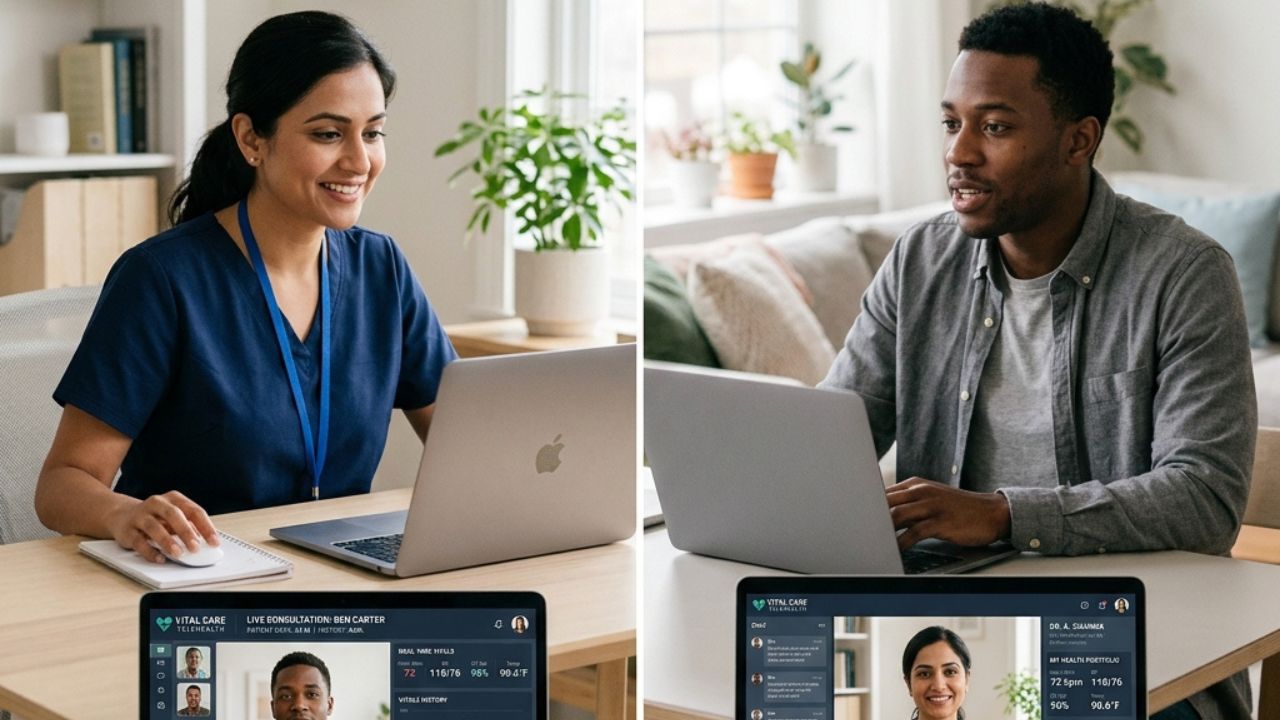
Getting medical care used to mean taking time off work, sitting in a crowded waiting room, and reading magazines from three years ago. Telehealth has completely changed that dynamic. You can now consult with a board-certified physician, receive a prescription, or speak with a licensed therapist without leaving your living room. Virtual care is no longer a niche alternative. It is a mainstream, highly effective way to manage your physical and mental health.
The rise of telehealth brings incredible convenience and accessibility to patients across the country. Rural residents who previously drove hours to see a specialist can now log into a secure portal and get the care they need. Busy parents can schedule urgent care visits for their children during nap times. This shift makes healthcare adapt to your schedule, rather than forcing you to adapt to your doctor’s availability.
Beyond convenience, online medical consultations offer tangible health benefits. They reduce your exposure to contagious illnesses often found in clinic waiting rooms. They also encourage people to seek help earlier for minor issues before those problems become severe. When you remove the friction of scheduling and traveling to an in-person appointment, maintaining your health becomes much easier.
Navigating the sheer number of virtual care options can feel overwhelming. With dozens of apps and platforms claiming to offer the best care, you need a way to figure out which service matches your specific needs. This guide breaks down the top telehealth platforms in America, explains what features matter most, and provides actionable advice for getting the most out of your next virtual doctor’s appointment.
Key Factors in Choosing a Telehealth Service
Not all virtual care platforms operate the same way. Before you download an app or pay a consultation fee, you need to evaluate a few critical elements to ensure you receive high-quality, secure medical care.
Accreditation and Physician Qualifications
The most important aspect of any medical service is the quality of the providers. Look for telehealth platforms that explicitly state their doctors are board-certified and licensed to practice in your state. Many reputable services also highlight that their physicians have an average of ten to fifteen years of clinical experience. Transparency about provider credentials is a strong indicator of a trustworthy platform.
Service Offerings
Telehealth platforms generally fall into two categories: specialized clinics and comprehensive healthcare hubs. Some apps only handle basic urgent care issues like sinus infections or pink eye. Others offer a full suite of services, including primary care, pediatrics, psychiatry, and nutrition counseling. If you want a long-term relationship with a primary care physician online, you need a platform designed for ongoing care rather than one-off urgent visits.
Insurance Acceptance and Pricing Models
Paying for virtual care varies widely between services. Many major platforms partner with national health insurance providers, meaning your online visit might cost the same as your standard copay. If you lack insurance, or have a high-deductible plan, look for services with transparent, flat-fee pricing. Knowing the exact cost of a consultation upfront prevents unpleasant billing surprises later.
Technology Requirements and User Experience
A clunky app can make a virtual appointment incredibly stressful. The best telehealth services offer intuitive, highly rated mobile apps and web portals. You should be able to easily upload photos of symptoms, review doctor’s notes after the visit, and send prescriptions directly to your local pharmacy. Check app store reviews to see if patients frequently complain about connection drops or difficult navigation.
Privacy and Data Security
Medical data is highly sensitive. Any platform you use must be fully HIPAA compliant. This ensures that your personal health information, video streams, and payment details are encrypted and stored securely. Reputable telehealth companies will prominently display their privacy practices and security measures on their websites.
Top Telehealth Platforms and Online Doctor Services
Several companies dominate the American telehealth landscape. Here is a detailed look at the leading platforms to help you decide which one fits your healthcare needs.
Teladoc Health
Teladoc is one of the oldest and largest telehealth providers in the United States. They boast a massive network of physicians and a highly refined user experience.
Services: Teladoc covers everyday care, dermatology, mental health, and complex care needs. They offer services for both adults and children.
Pros: The platform is incredibly accessible, offering 24/7 care for urgent issues. They accept a vast array of insurance plans, making visits very affordable for many patients. The app is highly reliable and easy to use.
Cons: If you are paying entirely out of pocket, the consultation fees for specialists and mental health professionals can be relatively high compared to some budget-friendly competitors.
Amwell
Amwell provides a comforting, comprehensive approach to virtual healthcare. They focus heavily on creating a seamless experience from the moment you log in to the moment you pick up your prescription.
Services: You can access urgent care, therapy, psychiatry, nutrition, and even specialized programs for breastfeeding support or menopause.
Pros: Amwell is famous for its straightforward, transparent pricing. Even without insurance, you know exactly what a visit will cost before you commit. The platform also lets you choose your doctor based on their profile, which helps build trust.
Cons: Wait times for on-demand urgent care can sometimes spike during peak cold and flu seasons.
MDLive
MDLive stands out for its strong emphasis on behavioral health and dermatology, alongside standard medical care. They have built a robust system for connecting patients with specialists quickly.
Services: Primary care, urgent care, dermatology, and counseling/psychiatry.
Pros: MDLive offers a very flexible scheduling system, making it easy to book appointments during evenings and weekends. Their dermatology service is particularly streamlined, allowing you to upload photos and receive a diagnosis rapidly.
Cons: The platform does not offer some of the highly specialized programs (like lactation consulting) found on competing apps.
Doctor on Demand
Doctor on Demand built its reputation on treating the whole person, integrating physical and mental healthcare into a single, cohesive application.
Services: Everyday and urgent care, chronic condition management, therapy, and psychiatry.
Pros: The physicians on this platform can order lab work, which is a massive advantage for managing chronic conditions like diabetes or high cholesterol. Doctor on Demand is also fully covered under Medicare Part B, which is a significant benefit for older adults.
Cons: The flat-fee prices for patients without insurance are on the higher end of the spectrum.
Other Notable Services
Depending on your specific situation, a smaller or more specialized service might be the perfect fit.
- PlushCare: This service excels at primary care and ongoing relationship-building with a specific doctor. They are fantastic for managing chronic medications and ordering lab tests.
- LiveHealth Online: Backed by Anthem, this service is an excellent choice for patients with Blue Cross Blue Shield insurance. They offer fast access to board-certified doctors for standard medical issues.
Specialized Online Medical Services
Sometimes you do not need a general practitioner. The telehealth industry has expanded to include platforms laser-focused on specific areas of health.
Online Mental Health Services
Mental healthcare has seen the most dramatic shift toward virtual platforms. Services like Talkspace and BetterHelp connect you with licensed therapists via text, voice, and video messaging. These platforms allow you to communicate with a professional on a continuous basis, rather than waiting for a weekly in-person appointment. This format is highly effective for managing anxiety, depression, and everyday stress.
Online Dermatology Services
Skin conditions are highly visual, making them perfect candidates for telehealth. Platforms like Curology and Apostrophe allow you to take photos of your acne, rosacea, or rashes and send them to a dermatology provider. The provider then creates a customized treatment plan. These services often formulate their own prescription creams and ship them directly to your door, bypassing the traditional pharmacy entirely.
Online Prescription and Pharmacy Services
Companies like Ro, Hims, and Hers focus on specific lifestyle and wellness prescriptions. They handle everything from hair loss and skincare to sexual health and birth control. You complete an online intake form, a physician reviews your medical history, and if appropriate, the medication is mailed to you in discreet packaging. This model provides an incredibly private way to manage sensitive health issues.
How to Prepare for Your Online Doctor Appointment
A virtual doctor’s visit requires a little more preparation on your end than walking into a physical clinic. Following a few simple steps ensures your appointment is productive and stress-free.
Technical Setup
Test your equipment before the appointment begins. Ensure your smartphone, tablet, or computer has a full charge or is plugged in. Check your internet connection; a strong Wi-Fi signal is essential for a clear video feed. Close unnecessary applications to prevent your device from lagging. Finally, test your microphone and camera to make sure the doctor will be able to see and hear you clearly.
Information to Have Ready
Treat this exactly like an in-person visit. Write down your symptoms, when they started, and any triggers you have noticed. Have a complete list of your current medications, including over-the-counter drugs and supplements, right next to you. Keep your pharmacy’s address and phone number handy so the doctor knows exactly where to send any necessary prescriptions. Also, have your insurance card and a credit card ready for payment.
Creating a Comfortable Environment
Find a quiet, well-lit room where you will not be interrupted. Lighting is particularly important. Sit facing a window or a lamp so the doctor can clearly see your face and evaluate your physical condition. If you live with others, let them know you are on a medical call to ensure privacy. Using headphones can also help keep the doctor’s questions private and improve audio clarity.
The Future of Telehealth in America
Virtual care is rapidly evolving. The platforms we use today will look very different in a few short years as new technologies and regulations reshape the healthcare landscape.
Expanding Access and Technological Advancements
We are moving toward a future where diagnostic tools are integrated into our homes. Imagine Bluetooth-enabled stethoscopes, high-definition otoscopes for checking ear infections, and advanced blood pressure cuffs that transmit data instantly to your online doctor. Artificial intelligence will also play a larger role, helping triage patients based on their symptoms before they even speak to a human physician, ensuring they get to the right specialist immediately.
Regulatory Landscape and Policy Changes
The rules governing telehealth vary wildly by state. During the early days of the COVID-19 pandemic, many regulations were temporarily relaxed, allowing doctors to treat patients across state lines easily. Lawmakers and medical boards are currently debating how to make these cross-state practices permanent. A more unified regulatory framework will dramatically increase patient choice, allowing you to consult with the best specialists in the country regardless of where you live.
Integration with Traditional Healthcare
The future is a hybrid model. Telehealth will not replace physical hospitals or clinics. Instead, virtual care will serve as the front door to the healthcare system. You might see a doctor online for an initial consultation, go to a local lab for blood work, and follow up virtually to discuss the results. This seamless integration will reduce wait times, lower costs, and provide a much smoother experience for patients managing ongoing health conditions.
Taking Charge of Your Virtual Healthcare
Telehealth has fundamentally changed how we access medical support. By removing the barriers of travel, waiting rooms, and rigid scheduling, virtual care allows you to address health concerns quickly and efficiently. Whether you need a late-night urgent care visit for a child, ongoing therapy, or a simple prescription refill, there is a platform designed to meet your needs.
Choosing the right service comes down to evaluating your insurance coverage, checking physician credentials, and deciding whether you need specialized care or a general practitioner. Take the time to download a few of the top-rated apps, register an account, and familiarize yourself with the interface before you actually get sick. By preparing now, you ensure that high-quality, professional medical care is always just a few taps away.