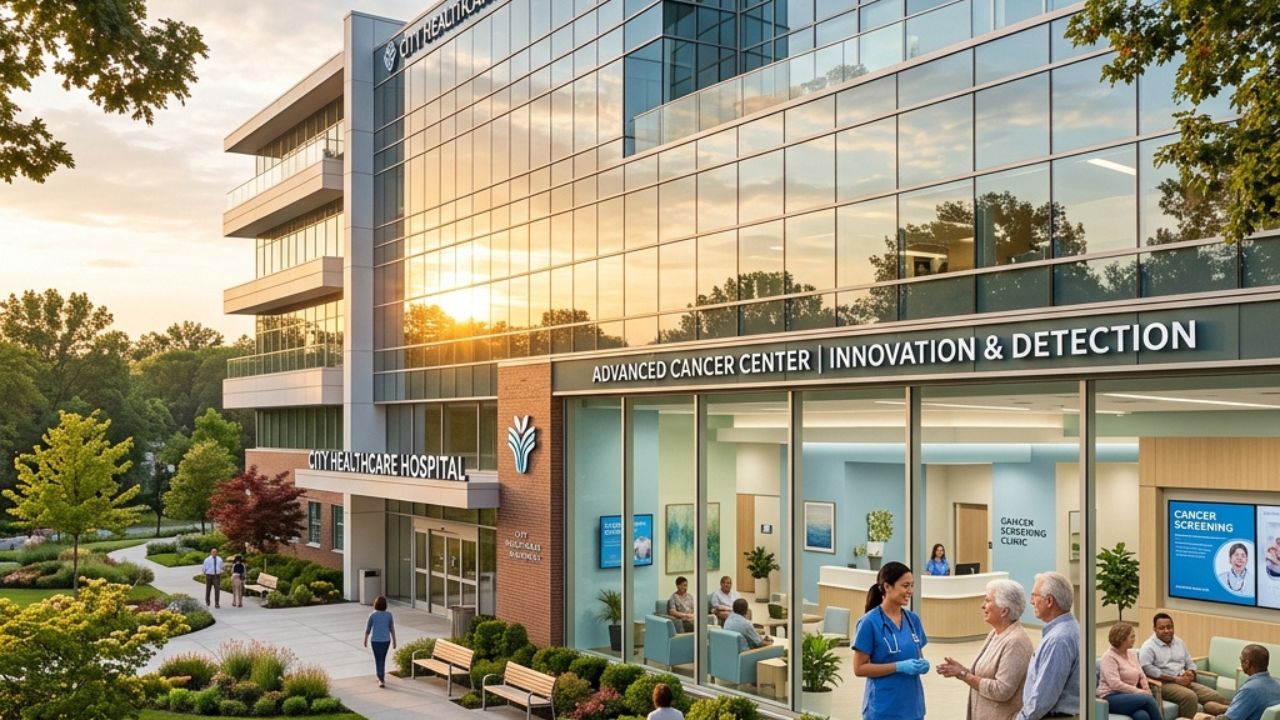
The top US hospitals for advanced cancer screening include MD Anderson Cancer Center, Memorial Sloan Kettering, Mayo Clinic, Johns Hopkins, and Dana-Farber. These institutions lead the country by offering state-of-the-art diagnostic imaging, genetic biomarker testing, and dedicated high-risk screening programs that catch malignancies in their earliest, most treatable stages.
Medical science has firmly established that catching malignancies early drastically alters patient outcomes. When physicians identify cellular abnormalities before they spread, treatment protocols become less invasive and survival rates increase exponentially. This fundamental truth has driven a massive shift in oncology, moving the focus from purely reactive treatments to highly proactive, preventative care models.
For decades, standard physical exams and basic laboratory panels served as the primary tools for preventative health. Those routine checks remain important, but they often lack the precision required to detect complex cellular changes at stage zero or stage one. Advanced cancer screening completely changes this dynamic. By utilizing cutting-edge genomic sequencing and high-resolution molecular imaging, specialists can now pinpoint microscopic threats long before physical symptoms ever manifest.
Navigating the healthcare landscape to find these top-tier preventative services can feel overwhelming. Not every medical center possesses the specialized equipment or the dedicated oncological geneticists required to interpret highly complex screening data. Patients seeking the highest standard of preventative care must look toward institutions that dedicate substantial resources specifically to early detection and risk management.
This comprehensive guide explores the premier medical institutions across the United States that specialize in advanced cancer screening. You will learn how these hospitals utilize groundbreaking technologies, what specific preventative programs they offer, and how you can determine which facility best aligns with your personal medical needs and family history.
Why is early cancer detection so critical for patient survival?
The biological mechanics of cancer make time the most critical variable in successful treatment. Malignant cells multiply and mutate, eventually migrating from their original location to surrounding tissues and distant organs. This process, known as metastasis, complicates treatment and limits the effectiveness of localized therapies like surgery or targeted radiation.
According to data published by the American Cancer Society, the five-year survival rate for localized breast cancer is 99%. However, once the cancer spreads to distant parts of the body, that survival rate drops significantly to around 30%. Similar stark contrasts exist across almost all cancer types, including colorectal, lung, and prostate cancers. Early detection intercepts the disease while it remains isolated.
Advanced screening protocols go beyond simply finding existing tumors. These comprehensive evaluations often identify precancerous polyps, lesions, and cellular dysplasia. By removing these early abnormalities, physicians can actually prevent the cancer from ever developing. This proactive approach saves lives, reduces the physical toll of aggressive chemotherapy, and significantly lowers the long-term financial burden associated with chronic oncological care.
What criteria define the best hospitals for advanced cancer screening?
Identifying a top-tier facility for preventative oncology requires looking beyond general hospital rankings. The best institutions share several core characteristics that elevate their screening programs above standard medical care.
How does state-of-the-art imaging technology improve detection?
Standard imaging tools often struggle to differentiate between benign cysts and early-stage malignant tumors. Premier cancer hospitals invest heavily in next-generation imaging technology. This includes multiparametric magnetic resonance imaging (MRI), which provides high-contrast, three-dimensional views of soft tissues. These facilities also utilize low-dose computed tomography (LDCT) for lung cancer screening, which minimizes radiation exposure while delivering incredibly detailed cross-sectional images of the lungs. Advanced molecular imaging, such as PET-CT scans utilizing specific radioactive tracers, allows radiologists to observe cellular metabolism in real-time, highlighting hyperactive cancer cells long before they form large masses.
What role do genetic testing and biomarker analysis play?
A patient’s DNA holds vital clues about their lifetime cancer risk. Leading hospitals employ dedicated clinical geneticists who analyze hereditary gene mutations, such as BRCA1 and BRCA2 (associated with breast and ovarian cancers) or Lynch syndrome markers (associated with colorectal and endometrial cancers). Furthermore, top institutions now offer liquid biopsies. These revolutionary blood tests, such as the multi-cancer early detection (MCED) tests, analyze circulating tumor DNA (ctDNA) shed by tumors into the bloodstream. This allows oncologists to screen for dozens of different cancer types simultaneously through a single blood draw.
Why are multidisciplinary oncology teams essential?
Advanced screening generates complex data that requires expert interpretation. The best hospitals utilize a multidisciplinary tumor board approach. When a screening reveals an abnormality, the patient’s case is reviewed by a team comprising diagnostic radiologists, surgical oncologists, medical oncologists, pathologists, and genetic counselors. This collaborative environment ensures that every data point is analyzed from multiple medical perspectives, resulting in highly accurate diagnoses and highly personalized risk-management plans.
Which US hospitals lead the nation in advanced cancer screening?
Several institutions consistently rank at the top of national oncology lists due to their relentless focus on research, technology, and patient care. The following hospitals offer the most robust and technologically advanced screening programs in the United States.
What makes MD Anderson Cancer Center a pioneer in early detection?
Located in Houston, Texas, the University of Texas MD Anderson Cancer Center is globally recognized for its exclusive focus on oncology. MD Anderson operates a dedicated Cancer Prevention Center that offers comprehensive risk assessments and tailored screening protocols. The center excels in identifying high-risk individuals and enrolling them in specialized surveillance programs. They heavily utilize advanced endoscopic techniques for gastrointestinal screening and offer state-of-the-art dermatological mapping for melanoma detection. Their integration of clinical trials into preventative care gives patients access to screening technologies years before they become widely available at standard clinics.
How does Memorial Sloan Kettering (MSK) approach high-risk cancer screening?
Memorial Sloan Kettering Cancer Center in New York City provides unparalleled expertise in genetic oncology. MSK’s Clinical Genetics Service is one of the largest and most established in the country. They specialize in counseling patients with strong family histories of cancer and deploying targeted surveillance plans. MSK has been at the forefront of implementing liquid biopsy technology into routine clinical practice. Their targeted screening programs for pancreatic cancer—one of the most difficult malignancies to detect early—utilize highly specialized MRI and endoscopic ultrasound protocols designed specifically for high-risk patients.
Why choose Mayo Clinic for comprehensive preventative oncology?
With major campuses in Minnesota, Arizona, and Florida, Mayo Clinic is renowned for its highly coordinated, patient-centered approach. Mayo Clinic’s Executive Health Program and their specialized breast, colon, and lung screening clinics offer seamless, efficient care. A patient can undergo genetic counseling, advanced biomarker blood tests, and high-resolution imaging all within a few days. Mayo Clinic is particularly noted for its utilization of artificial intelligence in radiology. Their AI algorithms assist radiologists in detecting minute anomalies on mammograms and lung CT scans that the human eye might miss.
How does Johns Hopkins Medicine utilize liquid biopsies for early diagnosis?
Johns Hopkins Medicine in Baltimore, Maryland, has a storied history of oncological breakthroughs. Researchers at the Sidney Kimmel Comprehensive Cancer Center at Johns Hopkins were instrumental in developing early liquid biopsy technologies. Today, the hospital remains a leader in translating this research into clinical screening tools. Their high-risk cancer clinics provide rigorous monitoring for individuals with genetic predispositions. Johns Hopkins also leads the way in biomarker research, constantly refining blood and urine tests to detect prostate, bladder, and ovarian cancers at their absolute earliest stages.
What preventative cancer programs does Dana-Farber Cancer Institute offer?
Located in Boston, Massachusetts, the Dana-Farber Cancer Institute works in close partnership with Brigham and Women’s Hospital to deliver exceptional preventative care. Dana-Farber’s Center for Cancer Genetics and Prevention is dedicated to helping patients understand their inherited risks. They offer specialized clinics for neurofibromatosis, gastrointestinal cancer genetics, and a dedicated Lynch syndrome center. Dana-Farber’s approach combines rigorous genetic sequencing with intensive, highly customized imaging schedules, ensuring that patients with genetic mutations are monitored with the utmost precision.
How should patients choose the right facility for their screening needs?
Selecting the appropriate hospital for advanced cancer screening depends heavily on your specific medical background, logistical constraints, and financial considerations.
Choose a highly specialized genetic center like MSK or Dana-Farber if you have a documented family history of rare cancers or known genetic mutations. These facilities possess the specific genomic expertise required to map out a long-term surveillance plan.
Choose an institution known for clinical efficiency and comprehensive diagnostic overviews, such as Mayo Clinic, if you are looking for a thorough, centralized evaluation over a short period. This is often ideal for out-of-state patients seeking a definitive baseline of their current health status.
Choose a research-heavy institution like MD Anderson or Johns Hopkins if you are interested in accessing cutting-edge clinical trials for emerging screening technologies, such as novel MCED blood tests or AI-enhanced imaging software.
Always consult with your primary care physician to establish your baseline risk profile before traveling out of state for specialized screening. They can help facilitate referrals and ensure that your medical records are seamlessly transferred to the specialist teams.
Taking control of your health through proactive cancer screening
The transition from treating advanced diseases to preventing them entirely represents the future of modern medicine. Advanced cancer screening provides a powerful toolset for patients who wish to take definitive control of their long-term health. By identifying microscopic cellular changes, analyzing inherited genetic mutations, and utilizing multi-cancer blood tests, the nation’s premier hospitals are redefining what it means to survive cancer.
To take the next step, begin by thoroughly documenting your family’s medical history across at least three generations. Schedule a dedicated appointment with your primary care physician to discuss your specific risk factors. Based on that conversation, you can request a referral to a genetic counselor or a high-risk screening clinic at one of the top-tier institutions mentioned in this guide. Proactive vigilance is the most effective defense against cancer.
Frequently Asked Questions about advanced cancer screening
Are advanced cancer screenings like liquid biopsies covered by health insurance?
Coverage for advanced screening varies significantly based on your insurance provider and your documented medical necessity. While standard screenings like routine mammograms and colonoscopies are universally covered under preventative care mandates, cutting-edge tests like multi-cancer early detection (MCED) blood tests or extensive genetic sequencing often require a demonstrated high-risk profile (such as a strong family history) for authorization. Always contact your insurance provider’s pre-authorization department before scheduling advanced diagnostics.
How often should high-risk patients undergo advanced cancer screening?
The timeline for advanced screening is highly personalized. Patients with identified genetic mutations, such as BRCA1 or Lynch syndrome, may require MRI screenings, specialized ultrasounds, or advanced endoscopies every six to twelve months. Patients without specific genetic markers but who wish to undergo comprehensive executive health screenings generally establish a baseline evaluation and follow up every one to three years, depending on their physician’s recommendations.
What are the risks of overdiagnosis in advanced cancer screening?
One of the primary challenges of ultra-sensitive screening is the detection of indolent tumors—abnormal cell growths that progress so slowly they would never cause symptoms or threaten the patient’s life. Overdiagnosis can lead to unnecessary anxiety, invasive biopsies, and overtreatment. The best cancer hospitals mitigate this risk by using multidisciplinary tumor boards to carefully evaluate whether an identified abnormality truly requires surgical or chemical intervention.
Who is the ideal candidate for advanced preventative oncology programs?
Individuals with a strong family history of cancer, those who have previously been treated for cancer and want to monitor for recurrence, and individuals with known hereditary genetic mutations are the primary candidates for advanced screening. Additionally, patients who have a history of heavy smoking, significant occupational exposure to carcinogens, or those who simply desire the most thorough preventative health baseline available often seek out these specialized hospital programs.