
Finding the best hospitals in the USA for heart, cancer & critical care treatment can feel overwhelming when you or a loved one faces a serious medical condition. This guide helps patients, families, and caregivers identify top-tier medical facilities that deliver exceptional specialized care when it matters most.
Who This Guide Is For:
- Patients diagnosed with heart disease, cancer, or critical conditions
- Families researching treatment options for loved ones
- Anyone seeking second opinions at leading medical centers
We’ll explore the nation’s top-ranked heart treatment centers that use cutting-edge cardiac procedures and technologies. You’ll also discover premier cancer treatment facilities offering innovative therapies and comprehensive support programs. Finally, we’ll examine what separates these elite hospitals from others and share practical tips for choosing the right facility for your specific medical needs.
Top-Ranked Heart Treatment Centers Saving Lives Nationwide
Mayo Clinic’s Revolutionary Cardiac Surgery Programs
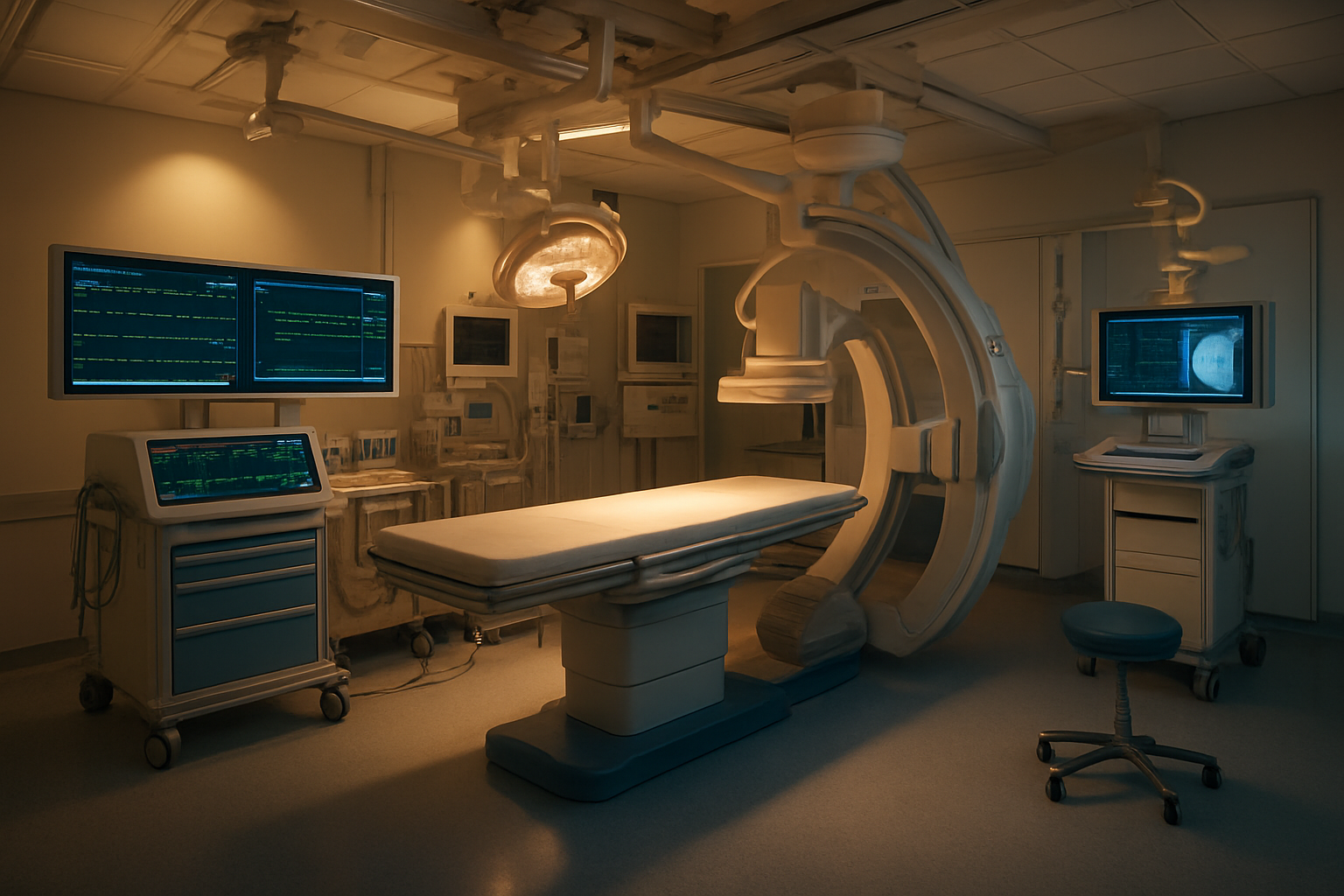
Mayo Clinic stands as a beacon of cardiac excellence, performing over 7,000 heart surgeries annually across its three campuses. Their cardiac surgeons have pioneered game-changing procedures like the Ross procedure for aortic valve replacement and innovative techniques for complex congenital heart defects. The clinic’s integrated team approach brings together cardiologists, cardiac surgeons, and specialized nurses to create personalized treatment plans for each patient.
What sets Mayo apart is their commitment to research-driven care. Their cardiac research programs have led to breakthrough treatments, including novel approaches to treating heart failure and advanced imaging techniques that help surgeons plan procedures with unprecedented precision. Patients benefit from access to clinical trials testing cutting-edge therapies often years before they become widely available.
The clinic’s survival rates consistently exceed national averages, with their heart transplant program achieving a 95% one-year survival rate. Their minimally invasive cardiac surgery program has reduced recovery times by 50% compared to traditional open-heart procedures, allowing patients to return to normal activities much faster.
Cleveland Clinic’s World-Leading Heart Transplant Success Rates
Cleveland Clinic’s heart transplant program has earned global recognition for achieving exceptional outcomes that surpass international benchmarks. With over 2,500 heart transplants performed since the program’s inception, they maintain a remarkable 97% one-year survival rate and an 85% ten-year survival rate – numbers that consistently rank among the world’s best.
Their success stems from meticulous patient selection, advanced surgical techniques, and comprehensive post-transplant care. The clinic’s innovative use of mechanical circulatory support devices as bridges to transplantation has expanded treatment options for patients with end-stage heart failure. They’ve also pioneered protocols for managing high-risk transplant candidates, including patients with previous cardiac surgeries or complex medical conditions.
The program’s multidisciplinary team includes specialized transplant cardiologists, cardiac surgeons, immunologists, and dedicated transplant coordinators who guide patients through every step of the process. Their 24/7 transplant availability ensures that organs can be allocated and transplanted with optimal timing, maximizing success rates.
Cleveland Clinic’s research initiatives continue pushing boundaries, investigating new immunosuppressive protocols and studying long-term transplant outcomes to improve patient quality of life decades after transplantation.
Johns Hopkins’ Advanced Minimally Invasive Heart Procedures
Johns Hopkins Hospital has revolutionized cardiac care through their mastery of minimally invasive techniques that reduce patient trauma while maintaining surgical precision. Their cardiac surgeons perform complex valve repairs and replacements through incisions smaller than 3 inches, dramatically reducing recovery times and improving cosmetic outcomes.
The hospital’s expertise in transcatheter aortic valve replacement (TAVR) has made heart valve surgery accessible to high-risk patients who previously couldn’t undergo traditional open-heart surgery. Their TAVR program has achieved a 98% procedural success rate with significantly lower complication rates than national averages.
Johns Hopkins has also pioneered robotic cardiac surgery, using the da Vinci surgical system to perform intricate procedures with enhanced precision. This technology allows surgeons to operate through small ports while maintaining complete surgical control, resulting in less bleeding, shorter hospital stays, and faster healing.
Their hybrid operating rooms combine traditional surgical capabilities with advanced imaging technology, enabling real-time visualization during complex procedures. This integration has improved surgical outcomes for conditions like atrial fibrillation, where precise catheter placement is critical for success.
Texas Heart Institute’s Pioneering Artificial Heart Technology
Texas Heart Institute leads the world in developing and implementing artificial heart technologies that serve as life-saving alternatives for patients with end-stage heart failure. Their researchers have been instrumental in advancing total artificial heart (TAH) technology, providing hope for patients who aren’t candidates for heart transplantation.
The institute’s artificial heart program has successfully implanted over 1,800 devices, with patients living productive lives for years while waiting for donor hearts or as permanent therapy. Their latest-generation devices feature improved biocompatibility and reduced thrombosis risks, leading to better long-term outcomes.
Beyond artificial hearts, the institute has pioneered left ventricular assist devices (LVADs) that help failing hearts pump blood more effectively. Their LVAD program has achieved exceptional outcomes, with patients experiencing significant improvements in quality of life and exercise capacity. Many patients return to work and resume normal activities while supported by these devices.
The institute’s research extends to developing next-generation cardiovascular devices, including wireless monitoring systems that track device performance in real-time. Their collaboration with leading technology companies has accelerated the development of smaller, more durable artificial hearts that could revolutionize treatment for heart failure patients worldwide.
Premier Cancer Treatment Facilities Delivering Hope and Healing
MD Anderson’s Comprehensive Cancer Care Excellence
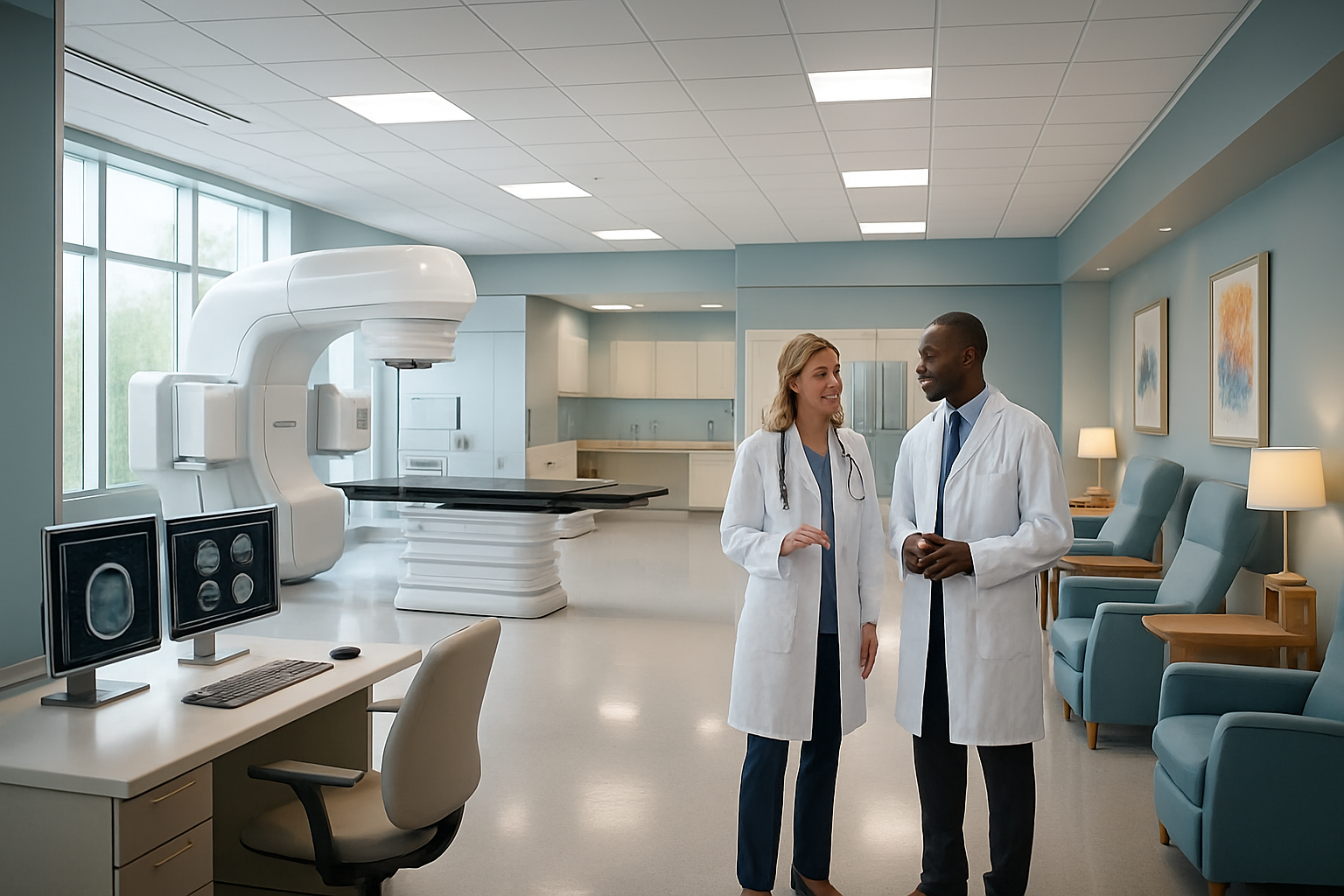
The University of Texas MD Anderson Cancer Center stands as America’s flagship cancer treatment institution, consistently ranking #1 for cancer care. Located in Houston’s Texas Medical Center, this powerhouse facility treats over 140,000 patients annually from all 50 states and 100+ countries worldwide.
What makes MD Anderson truly exceptional is its integration of cutting-edge research with patient care. The center operates on a unique model where world-renowned researchers work directly alongside clinical teams, ensuring patients access the latest breakthrough treatments often years before they become widely available. Their Moon Shots Program has accelerated progress against specific cancers, focusing on turning scientific discoveries into life-saving treatments at unprecedented speed.
MD Anderson’s multidisciplinary approach brings together specialists from surgery, medical oncology, radiation oncology, pathology, and other fields to create personalized treatment plans. Each patient benefits from team-based care where experts collaborate daily, adjusting treatments based on real-time results and emerging research.
The center’s proton therapy program represents one of the world’s most advanced radiation treatment facilities, delivering precise doses that minimize damage to healthy tissue. Their surgical oncology program performs more complex cancer procedures than virtually any other institution, with surgeons who specialize in specific cancer types and have performed thousands of similar operations.
Memorial Sloan Kettering’s Breakthrough Immunotherapy Programs
Memorial Sloan Kettering Cancer Center in New York has revolutionized cancer treatment through pioneering immunotherapy research and clinical applications. As the birthplace of modern cancer immunotherapy, MSK continues leading the charge in training the body’s immune system to fight cancer more effectively.
MSK’s immunotherapy arsenal includes CAR T-cell therapy, where patients’ immune cells are genetically modified to better recognize and attack cancer cells. Their success rates with certain blood cancers have transformed previously terminal diagnoses into manageable conditions. The center’s checkpoint inhibitor programs have shown remarkable results across multiple cancer types, offering new hope for patients who previously had limited options.
The institution’s personalized medicine approach uses advanced genomic sequencing to identify specific mutations driving each patient’s cancer. This molecular profiling enables doctors to select targeted therapies that attack cancer’s unique genetic weaknesses while sparing healthy cells. MSK’s Molecular Diagnostics Service analyzes tumor samples using next-generation sequencing technology, providing detailed genetic maps that guide treatment decisions.
Clinical trials at MSK give patients early access to promising new treatments. The center runs hundreds of active trials, often serving as the primary site for groundbreaking studies that shape global cancer care standards. Their research pipeline includes novel combination therapies, liquid biopsies for early detection, and innovative approaches to overcoming treatment resistance.
Dana-Farber’s Personalized Cancer Treatment Approach
Dana-Farber Cancer Institute in Boston has built its reputation on translating laboratory discoveries into personalized treatments that save lives. As a teaching affiliate of Harvard Medical School, Dana-Farber combines academic excellence with compassionate patient care, creating an environment where innovation thrives alongside healing.
The institute’s precision medicine program stands at the forefront of personalized cancer care. Their Profile initiative sequences tumor DNA to identify actionable mutations, matching patients with targeted therapies specifically designed to exploit their cancer’s genetic vulnerabilities. This approach has dramatically improved outcomes for patients with traditionally hard-to-treat cancers.
Dana-Farber’s Zakim Center integrates complementary therapies with conventional treatment, addressing the whole person rather than just the disease. Patients receive support through nutrition counseling, mind-body therapies, acupuncture, and massage therapy, all designed to enhance treatment effectiveness and improve quality of life during cancer care.
The center’s pediatric program, in partnership with Boston Children’s Hospital, has achieved some of the highest childhood cancer survival rates worldwide. Their research has led to breakthrough treatments for leukemia, brain tumors, and solid tumors, with many therapies becoming standard care globally.
Dana-Farber’s survivorship program provides comprehensive long-term care for cancer survivors, monitoring for late effects of treatment and providing ongoing support. This holistic approach ensures patients receive excellent care not just during active treatment, but throughout their entire cancer journey and beyond.
Critical Care Units Providing Life-Saving Emergency Treatment

Massachusetts General’s Advanced Trauma Center Capabilities
Massachusetts General Hospital stands as a Level I trauma center that handles some of the most severe medical emergencies in the nation. Their trauma team operates with military precision, responding to critical cases within minutes of patient arrival. The hospital’s trauma bay features advanced imaging technology including portable CT scanners and ultrasound equipment that deliver instant diagnostics right at bedside.
What makes MGH exceptional is their comprehensive approach to trauma care. Their team includes specialized surgeons across multiple disciplines – neurosurgery, orthopedic surgery, vascular surgery, and emergency medicine – all working together seamlessly. The trauma center maintains dedicated operating rooms that stay available 24/7, equipped with cutting-edge surgical tools and monitoring systems.
The hospital’s helicopter landing pad enables rapid transport from accident scenes, while their ground ambulance coordination system ensures patients receive the right level of care from the moment emergency responders arrive. MGH trauma surgeons regularly train with Boston area first responders, creating a unified emergency response network that saves precious minutes during critical situations.
UCLA Medical Center’s State-of-the-Art ICU Technology
UCLA Medical Center leads the way in intensive care unit innovation with technology that transforms patient monitoring and treatment delivery. Their ICUs feature smart monitoring systems that track hundreds of vital signs continuously, alerting medical staff to subtle changes before they become life-threatening emergencies.
The center’s electronic health records system integrates seamlessly with bedside monitors, creating real-time updates that keep the entire care team informed. Nurses can access patient data instantly through mobile devices, while physicians receive automated alerts about concerning trends in patient conditions.
UCLA’s ICU rooms include advanced ventilation systems that can be customized for each patient’s specific respiratory needs. Their dialysis equipment connects directly to patient beds, eliminating the need for transfers during critical procedures. The center also employs robotic pharmacy systems that deliver medications with precision timing, reducing human error and improving patient outcomes.
Video conferencing capabilities allow specialists from different departments to consult on complex cases without leaving their current patients. This technology proves especially valuable during night shifts when fewer specialists are physically present in the hospital.
Duke University Hospital’s Rapid Response Critical Care Teams
Duke University Hospital has revolutionized critical care through their rapid response team model that brings ICU-level expertise directly to patients anywhere in the hospital. These specialized teams include critical care nurses, respiratory therapists, and physicians who can reach any patient within four minutes of being called.
The rapid response system uses advanced communication technology that instantly connects bedside nurses with critical care specialists. When a patient shows signs of deterioration, the team receives real-time data about vital signs, lab results, and medical history before they even arrive at the bedside.
Duke’s critical care teams carry portable equipment that rivals what’s found in traditional ICUs. Their mobile units include advanced cardiac monitors, ventilators, and medication pumps that can stabilize patients during transport or provide extended care outside the ICU setting.
The hospital tracks response times and patient outcomes meticulously, using this data to continuously improve their protocols. Their research shows that rapid response interventions prevent approximately 60% of patients from requiring ICU admission, while significantly reducing mortality rates for those who do need intensive care.
UCSF’s Specialized Neurological Critical Care Units
UCSF operates some of the most advanced neurological intensive care units in the country, specifically designed for patients with brain injuries, strokes, and complex neurological conditions. Their neurocritical care units feature specialized monitoring equipment that tracks brain pressure, blood flow, and electrical activity continuously.
The units employ advanced brain imaging technology including portable MRI machines and continuous EEG monitoring systems. This equipment allows neurologists to assess brain function in real-time without moving critically ill patients. UCSF’s neurocritical care physicians can detect subtle changes in brain activity that might indicate seizures or other complications hours before symptoms become apparent.
Each neurological ICU room includes temperature control systems that can rapidly cool patients when needed to protect brain tissue after injury. The units maintain specialized equipment for procedures like brain pressure monitoring and cerebrospinal fluid drainage that require precise positioning and sterile conditions.
UCSF’s team includes neurointensivists – physicians specifically trained in both neurology and critical care medicine. These specialists work alongside specialized nurses who receive extensive training in neurological assessment techniques and can recognize subtle signs of neurological deterioration that general ICU nurses might miss.
Key Factors That Set These Hospitals Apart from Competition

Board-Certified Specialist Physicians and Surgeons
America’s top hospitals attract the most skilled medical professionals through competitive compensation packages and cutting-edge research opportunities. These institutions require board certifications from recognized medical specialty boards, ensuring physicians meet rigorous standards for training, knowledge, and experience.
Leading hospitals maintain stringent credentialing processes that go beyond basic requirements. They evaluate physicians’ educational backgrounds, residency training, fellowship experiences, and ongoing professional development. Many require subspecialty certifications – for example, a cardiologist might hold additional credentials in interventional cardiology or electrophysiology.
The recruitment advantage extends to international talent. Premier medical centers sponsor visas for world-renowned specialists and invest in faculty exchanges with top international institutions. This creates diverse teams bringing global perspectives to patient care.
Continuing education programs keep medical staff current with evolving treatment protocols. Top hospitals allocate substantial budgets for conference attendance, medical journal subscriptions, and internal training seminars. Some maintain partnerships with medical schools, allowing physicians to engage in teaching and research activities that sharpen their clinical expertise.
Cutting-Edge Medical Technology and Equipment
Investment in advanced medical technology separates leading hospitals from average facilities. These institutions allocate millions annually to acquire and maintain state-of-the-art equipment that enables more precise diagnoses and less invasive treatments.
Imaging technology represents a major differentiator. Top hospitals deploy 3T and 7T MRI machines that provide unprecedented image clarity, allowing physicians to detect abnormalities missed by standard equipment. Advanced CT scanners reduce radiation exposure while delivering superior image quality. PET-CT combinations enable simultaneous functional and anatomical imaging for comprehensive cancer staging.
Surgical robotics have revolutionized precision medicine. Da Vinci surgical systems allow microsurgery through tiny incisions, reducing recovery times and complications. Some hospitals invest in multiple robotic platforms specialized for different procedures – orthopedic robots for joint replacement, neurosurgical robots for brain procedures, and cardiac robots for heart surgery.
Radiation therapy equipment showcases technological advancement. Leading cancer centers utilize proton beam therapy, which precisely targets tumors while sparing healthy tissue. CyberKnife systems deliver stereotactic radiosurgery with submillimeter accuracy, treating previously inoperable tumors.
Laboratory technology enables rapid, accurate diagnostics. Automated systems process thousands of samples daily, while molecular diagnostics identify genetic markers guiding personalized treatment approaches. Point-of-care testing provides immediate results, accelerating clinical decision-making.
Proven Track Records of Patient Survival Rates
Data transparency distinguishes top hospitals from competitors. Leading medical centers publish detailed outcome statistics, survival rates, and complication data across multiple specialties. This openness demonstrates confidence in their clinical results and helps patients make informed decisions.
Survival rate tracking involves sophisticated data collection systems. Hospitals monitor short-term outcomes like 30-day mortality rates, intermediate results such as one-year survival, and long-term data extending five to ten years post-treatment. These metrics undergo risk adjustment to account for patient complexity and comorbidities.
Quality reporting extends beyond basic survival statistics. Premier hospitals track infection rates, readmission percentages, patient satisfaction scores, and functional outcome measures. They participate in national registries and quality improvement initiatives, benchmarking performance against peer institutions.
Third-party validation provides objective assessment. Organizations like The Joint Commission, Leapfrog Group, and specialty societies evaluate hospital performance using standardized criteria. Top hospitals earn recognition through awards, certifications, and quality ratings that acknowledge superior patient outcomes.
Research publication strengthens credibility. Leading medical centers publish peer-reviewed studies documenting their clinical results, contributing to medical literature while demonstrating expertise. This research activity often translates into earlier access to breakthrough treatments and clinical trials for patients.
How to Choose the Right Hospital for Your Specific Condition

Insurance Coverage and Financial Considerations
Medical costs can make or break your family’s finances, especially when dealing with serious conditions like heart disease, cancer, or critical care situations. Start by calling your insurance company to understand exactly what’s covered under your plan. Many top-tier hospitals have dedicated insurance specialists who can walk you through coverage options and potential out-of-pocket expenses before you commit to treatment.
Check if your preferred hospital is in-network with your insurance provider. Out-of-network facilities can cost thousands more, even with insurance. Some hospitals offer financial assistance programs or payment plans for patients facing hardship. Don’t hesitate to ask about these options during your initial consultation.
Consider the total cost of care, not just the procedure itself. Factor in follow-up appointments, rehabilitation, medications, and potential complications. Some hospitals provide cost estimates upfront, helping you budget for the entire treatment journey.
Geographic Location and Travel Requirements
Distance matters more than you might think when choosing a hospital for serious medical conditions. While the best facility might be across the country, consider whether you can realistically manage multiple trips for consultations, treatments, and follow-up care.
For cancer treatment, you might need weekly visits over several months. Heart procedures often require multiple pre-operative appointments and post-surgery check-ups. Critical care situations demand immediate access, making local options more practical.
Evaluate your support system. Will family members be able to visit regularly? Do you have somewhere to stay if the hospital is far from home? Many top hospitals partner with nearby hotels to offer discounted rates for patients and families.
Weather and seasonal factors also play a role. Winter travel to northern hospitals can be challenging, while some patients prefer warmer climates during recovery periods.
Hospital Specialization Rankings and Accreditations
Not all hospitals excel in every area of medicine. Research facilities that specialize in your specific condition rather than choosing based on general reputation alone. A hospital ranked #1 for cardiology might not be the best choice for cancer treatment.
Look for key accreditations that matter for your condition:
- Joint Commission accreditation for overall quality and safety standards
- Magnet designation for nursing excellence
- American College of Surgeons verification for trauma and cancer centers
- Disease-specific certifications like comprehensive cancer center designation from the National Cancer Institute
U.S. News & World Report publishes annual hospital rankings by specialty. These rankings consider factors like patient outcomes, nurse staffing levels, and available technology. However, don’t rely solely on rankings – a hospital ranked lower overall might have an exceptional department for your specific needs.
Check if the hospital participates in clinical trials for your condition. Access to cutting-edge treatments and experimental therapies can be life-changing for patients with complex or rare conditions.
Patient Reviews and Treatment Outcome Statistics
Real patient experiences provide invaluable insights you won’t find in medical journals or hospital marketing materials. Read reviews on multiple platforms, but look for patterns rather than focusing on individual complaints or praise.
Pay attention to comments about:
- Communication between doctors and patients
- Wait times for appointments and procedures
- Cleanliness and facility conditions
- Support staff helpfulness
- Pain management approaches
- Discharge planning and follow-up care
Hospital websites often publish outcome statistics, but these can be difficult to interpret. Look for survival rates, infection rates, readmission rates, and complication rates specific to your condition. The Centers for Medicare & Medicaid Services provides hospital comparison data that’s standardized and easier to understand.
Don’t ignore red flags like consistently poor communication, high infection rates, or frequent complaints about specific departments. Trust your instincts – if something feels off during initial consultations, it’s worth exploring other options.
Ask potential hospitals for references from former patients who had similar conditions. Many hospitals maintain patient ambassador programs where recovered patients volunteer to speak with prospective patients about their experiences.

Finding the right hospital for serious medical conditions can make all the difference in your treatment outcome and recovery journey. The leading medical centers across America share common traits that set them apart: cutting-edge technology, world-renowned specialists, comprehensive care teams, and proven track records of successful treatments. These hospitals don’t just treat diseases – they pioneer new therapies, conduct groundbreaking research, and give patients access to clinical trials that might not be available elsewhere.
When you’re facing a heart condition, cancer diagnosis, or critical emergency, don’t settle for just any hospital. Research the facilities in your area, ask your doctor for referrals, and consider traveling to a top-rated center if your condition warrants it. Look for hospitals with specialty certifications, high patient satisfaction scores, and strong outcomes data for your specific condition. Your health is worth the extra effort to find the best possible care, and these premier institutions are equipped to give you the fighting chance you deserve.