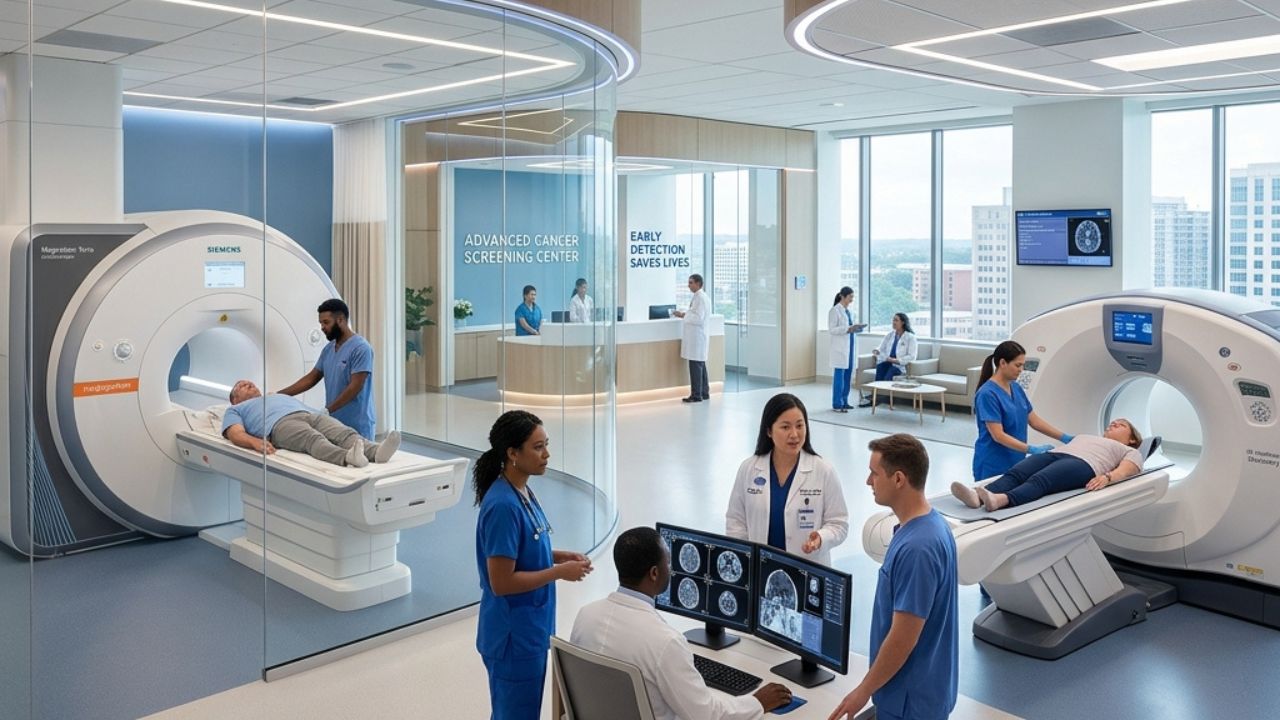
The top hospitals for advanced cancer screening in the United States include MD Anderson Cancer Center in Texas, Memorial Sloan Kettering in New York, and the Mayo Clinic in Minnesota. These leading medical institutions offer cutting-edge diagnostic tools like liquid biopsies, advanced imaging, and comprehensive genetic testing to detect cancer at its earliest, most treatable stages.
Catching cancer in its earliest stages drastically improves survival rates and broadens the range of available treatment options. Standard preventative measures like mammograms and colonoscopies remain vital components of routine healthcare. However, the medical field has experienced rapid technological growth, introducing advanced screening methods capable of detecting malignancies long before any physical symptoms emerge.
Advanced cancer screening goes beyond standard protocols. It utilizes breakthrough innovations such as genomic profiling, circulating tumor DNA (ctDNA) analysis, and ultra-high-resolution imaging to identify microscopic cellular changes. Patients who carry genetic predispositions to cancer, or those simply seeking the highest level of proactive preventative care, frequently look to the nation’s premier medical centers for these services.
This comprehensive guide details the top hospitals for advanced cancer screening in the USA. We will explore the rigorous criteria that set these institutions apart, provide a regional breakdown of the best facilities, and explain the specific cutting-edge technologies you can expect during an advanced preventative health evaluation.
What criteria define the best hospitals for advanced cancer screening?
Identifying the premier advanced cancer screening facilities requires looking beyond basic healthcare metrics. The best cancer centers in the United States share three defining characteristics: a commitment to technological innovation, a highly integrated multidisciplinary approach, and a strong track record of clinical research and patient outcomes.
Dedication to technology and medical innovation
Top-tier cancer centers invest heavily in diagnostic infrastructure. These hospitals utilize next-generation sequencing platforms to decode patient DNA, allowing doctors to identify specific mutations linked to various cancers. Furthermore, the leading facilities employ advanced imaging equipment, such as 3-Tesla MRI machines and high-definition PET/CT scanners. Many of these top hospitals also integrate artificial intelligence algorithms into their radiology departments. These AI tools assist human radiologists by flagging minute anomalies in scans that the human eye might miss, significantly reducing false negatives and ensuring earlier detection.
Utilization of a multidisciplinary care approach
A major differentiator of leading advanced cancer screening facilities is their collaborative structure. At these hospitals, patients do not just see a single primary care physician. Instead, a comprehensive team of specialists evaluates each individual’s risk profile. This team typically includes oncologists, certified genetic counselors, specialized radiologists, and pathologists. By reviewing patient cases collaboratively, this multidisciplinary board ensures that screening recommendations are highly tailored to the individual’s specific genetic and lifestyle risk factors.
Proven patient outcomes and active clinical research
The best medical institutions do more than just administer tests; they actively develop the next generation of screening methodologies. Hospitals designated as Comprehensive Cancer Centers by the National Cancer Institute (NCI) receive substantial federal funding to conduct clinical trials. Patients who visit these facilities for advanced cancer screening often gain access to experimental diagnostic tools—such as novel liquid biopsy panels—years before those tools become available at regional community hospitals.
Which hospitals offer the best advanced cancer screening by region?
Finding a world-class facility often depends on your geographic location. Fortunately, the United States features highly rated advanced cancer screening facilities across all major regions.
Leading cancer screening facilities in the Northeast
The Northeast is home to some of the oldest and most respected medical institutions in the world. Memorial Sloan Kettering Cancer Center (MSKCC) in New York City consistently ranks at the pinnacle of oncology care. MSKCC offers a robust clinical genetics service that helps individuals understand their hereditary cancer risks. In Boston, the Dana-Farber Cancer Institute partners with Brigham and Women’s Hospital to deliver premier preventative care. Dana-Farber excels in precision oncology, utilizing detailed genomic testing to map out patient-specific screening schedules.
Top-rated cancer hospitals in the South
The University of Texas MD Anderson Cancer Center in Houston stands as a global leader in cancer care and prevention. MD Anderson operates a dedicated Cancer Prevention Center that offers comprehensive risk assessments and advanced screening procedures tailored to high-risk individuals. Additionally, the Duke Cancer Institute in Durham, North Carolina, provides exceptional preventative services, integrating the latest in molecular diagnostics with traditional imaging techniques.
Premier screening institutions in the Midwest
The Mayo Clinic in Rochester, Minnesota, offers a world-renowned preventative medicine program. The Mayo Clinic Executive Health Program and their specialized breast, gastrointestinal, and prostate clinics provide patients with exhaustive diagnostic workups over the course of a few days. The Cleveland Clinic in Ohio also operates a highly regarded cancer center. The Cleveland Clinic focuses heavily on early detection protocols for high-risk patients, utilizing advanced endoscopic and imaging procedures to find tumors in their most nascent stages.
Exceptional preventative care facilities in the West
On the West Coast, Stanford Health Care in California pushes the boundaries of diagnostic technology. Stanford’s early cancer detection programs heavily utilize liquid biopsies and advanced molecular imaging. Similarly, the University of California, San Francisco (UCSF) Medical Center houses the Helen Diller Family Comprehensive Cancer Center. UCSF offers specialized screening programs for individuals with strong family histories of cancer, pairing them with top-tier genetic counselors and preventative oncologists.
An in-depth look at selected advanced cancer screening facilities
To understand exactly what makes these hospitals exceptional, it helps to look closely at the specific programs and patient care models they offer.
The University of Texas MD Anderson Cancer Center
MD Anderson Cancer Center approaches advanced cancer screening with a highly structured, risk-based methodology. The hospital’s Cancer Prevention Center assesses thousands of healthy but high-risk individuals every year.
One of MD Anderson’s standout features is its specialized clinics for specific hereditary syndromes, such as Lynch syndrome and BRCA mutations. Patients carrying these genetic markers receive a customized, lifelong screening itinerary. For example, a patient with a high risk of pancreatic cancer might undergo annual endoscopic ultrasounds and specialized MRI protocols that are not standard at regional clinics. MD Anderson also leads numerous clinical trials validating the efficacy of multi-cancer early detection (MCED) blood tests. Patients participating in these programs benefit from the absolute cutting edge of diagnostic science.
Memorial Sloan Kettering Cancer Center (MSKCC)
Memorial Sloan Kettering Cancer Center heavily emphasizes precision medicine within its screening protocols. MSKCC operates the Clinical Genetics Service, which helps healthy individuals identify inherited risks.
MSKCC utilizes proprietary genomic testing panels. If a patient is deemed high-risk, the hospital formulates a proactive surveillance plan. MSKCC is also a pioneer in utilizing whole-body MRI for patients with genetic mutations that predispose them to multiple types of cancer, such as Li-Fraumeni syndrome. By offering these intensive, specialized imaging techniques, MSKCC provides a safety net that catches aggressive cancers long before they can spread, resulting in numerous documented cases where proactive screening directly saved a patient’s life.
What are the most common advanced cancer screening options?
When visiting a top-tier cancer center, physicians will select from a variety of advanced diagnostic tools based on your specific risk profile.
Comprehensive genetic testing
Genetic testing forms the foundation of modern preventative oncology. By taking a simple blood or saliva sample, genetic counselors can sequence your DNA to look for pathogenic variants. Identifying mutations in genes like BRCA1, BRCA2, or PALB2 dictates whether you need early or more frequent screenings for breast and ovarian cancers. Genetic testing does not detect cancer itself; rather, it identifies your lifetime probability of developing the disease, allowing doctors to deploy other screening tools appropriately.
Liquid biopsies and multi-cancer early detection
Liquid biopsies represent one of the most exciting advancements in oncology. These tests analyze a standard blood draw to look for circulating tumor DNA (ctDNA) or specific protein biomarkers shed by cancer cells. Tests like the GRAIL Galleri test can screen for a signal shared by more than 50 types of cancer, many of which lack any standard screening guidelines. While liquid biopsies are not a replacement for standard preventative care, top hospitals frequently use them as a supplementary tool for high-risk patients.
Advanced medical imaging technologies
While standard X-rays and ultrasounds remain useful, advanced cancer screening facilities rely on highly sophisticated imaging modalities.
- Whole-body MRI: This radiation-free scan produces highly detailed images of soft tissues and bones throughout the entire body. It is particularly useful for patients with hereditary cancer syndromes.
- PET/CT scans: Positron Emission Tomography combined with Computed Tomography uses a small amount of radioactive tracer to highlight areas of high cellular activity, which often indicates malignancy.
- 3D Mammography (Tomosynthesis): This advanced form of breast imaging creates a three-dimensional picture of the breast, allowing radiologists to spot smaller tumors that might be hidden by dense breast tissue.
How should you prepare for an advanced cancer screening?
Deciding to pursue advanced cancer screening requires careful preparation, both medically and financially.
Consulting with preventative specialists
The first step is gathering your complete family medical history. Document any relatives who had cancer, noting the specific type of cancer and their age at diagnosis. You should bring this detailed history to an initial consultation with a primary care physician or a certified genetic counselor. The specialist will use this data to determine if you meet the criteria for advanced screening. They will also outline the potential physical and emotional impacts of undergoing extensive medical testing, ensuring you are fully prepared for the process.
Navigating insurance and cost considerations
Advanced cancer screening can be expensive, and insurance coverage varies significantly. Most major insurance providers will cover genetic testing and advanced imaging if a patient has a documented family history of cancer or specific genetic mutations. However, newer technologies like liquid biopsies (MCED tests) are often considered experimental by insurance companies and require out-of-pocket payment.
Before scheduling any procedures at a top hospital, request a detailed consultation with the hospital’s financial billing department. They can provide accurate cost estimates and help you determine exactly which procedures your specific health insurance plan covers.
Taking proactive control of your preventative healthcare
Pursuing advanced cancer screening is one of the most powerful steps you can take to safeguard your health. Top-tier medical institutions across the United States—from MSKCC in the Northeast to Stanford in the West—offer unparalleled access to genetic insights, liquid biopsies, and high-resolution imaging. By leveraging these technologies, doctors can detect malignancies at their most vulnerable stages.
If you have a family history of cancer or simply want the peace of mind that comes with a comprehensive health evaluation, consider reaching out to a certified genetic counselor or the preventative care department at one of these leading hospitals. Taking a proactive approach to your healthcare today can secure a healthier, more predictable tomorrow.
Frequently Asked Questions
Does health insurance cover advanced cancer screening tests?
Insurance coverage depends on your specific policy and medical history. Most insurers cover advanced screenings like MRIs or genetic testing if you have a documented high-risk family history. However, novel tests like multi-cancer early detection blood tests frequently require out-of-pocket payment. Always consult your insurance provider before scheduling tests.
Who should consider getting an advanced cancer screening?
Advanced cancer screening is highly recommended for individuals with a strong family history of cancer, those who have known genetic mutations (like BRCA1 or BRCA2), or individuals with prolonged exposure to environmental carcinogens. Healthy individuals without these risk factors should consult a physician to weigh the benefits against the risks of false positives.
How accurate are liquid biopsies for detecting early-stage cancer?
Liquid biopsies are highly specific, meaning they have a low rate of false positives. However, their sensitivity varies depending on the type and stage of cancer. They are excellent at detecting certain aggressive cancers but may miss very small, early-stage, or slow-growing tumors. They should be used to complement, not replace, standard screenings.
Do I need a referral to visit a top cancer hospital for screening?
Many top hospitals require a physician’s referral to access their specialized high-risk screening clinics. However, some preventative medicine programs, particularly executive health programs at institutions like the Mayo Clinic, allow patients to self-refer and pay out-of-pocket for comprehensive evaluations.